
| Archived Save the Train forum articles - 2005 to 2010. See below
Severn Beach / Bristol Rail Problems - 399/1178 Written by Lee on Monday, 14th August 2006 Here is a link which shows that other areas in the South West have reliability problems too. http://www.fosbr.org.uk/Smoking%20train.htm Note also the insufficient number of carriages issue. Re: Severn Beach / Bristol Rail Problems - 399/1179 Written by admin (Graham Ellis) on Tuesday, 15th August 2006 How is it that First can make the money to pay the government 1 billion pounds over 10 years, as they've said they'll do under the Great Western franchise? Re: Severn Beach / Bristol Rail Problems - 399/1181 Written by admin (Graham Ellis) on Tuesday, 15th August 2006 Although my intention in writing the above was to comment on the Bristol / other areas service issue, I got myself somewhat off topic, and talked very much of the future in general. Re: Severn Beach / Bristol Rail Problems - 399/1228 Written by Lee on Friday, 18th August 2006 Here is a letter from an unnamed Bristol commuter (link below.) http://www.fosbr.org.uk/commuter.htm link to index of articles |
|||
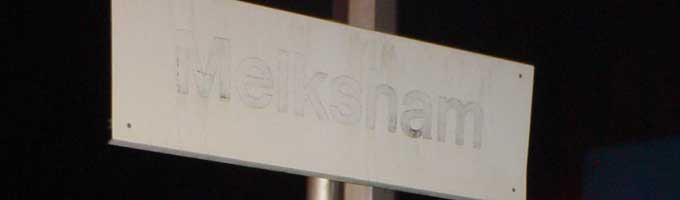
Save the Train was the campaign to bring an approriate train service back to and through Melksham. Most big contributors are still around writing at the Coffee shop forum where new members are very welcome. The train has been saved - sort of - we have stepped back up from an unusable service to a poorish one but it's doing very well. We did that through setting up the TransWilts Community Rail Partnership. That fulfilled its early objectives; it has been taken over by local and regional government types who are now doing medium and long term work. The team from this forun can also be found at the Melksham Rail User Group (which was the Melksham Rail Development Group at the time these articles were written and we had no users. We mustn't loose sight, though, that the train service remains poor and needs our community support in marketing and campaigning to keep it going in a positive direction ... and all the more so when we're expecting to find a different normallity once we get out of the Coronavirus Pandemic and head for zero carbon via the climate crisis. Yes, it's saved ... it's now a key community facility ... the need for enhancement and the strong and near-universal local support remain, and the rail industry and goverment remain slow to move and provide the enhancements even to level us up with other towns. Please support the Melksham Rail User Group - now very much in partnership rather than protest with the rail industry and local government, including GWR, TransWilts and unitary and town councils. And please use the trains and buses, and cycle and walk when you can. -- Graham Ellis, (webmaster), February 2021 | |||
|
|||
Further Information:
Home
Current Summary
Daily update
User forum
Consultation
Service now
Service future
Future Analysis
Recent Statistics
Recent letters
Letter to DfT
Save the train
Presentation
Support us
Other Maps
Station facilities
Station approach
Pictures
Trains diverted
History
About Melksham
Site Map
About this site